
Ginger Rabbit Jazz Lounge: Reviving Columbus's Jazz Scene Through Culinary and Musical Innovation
Jazz Club Stories
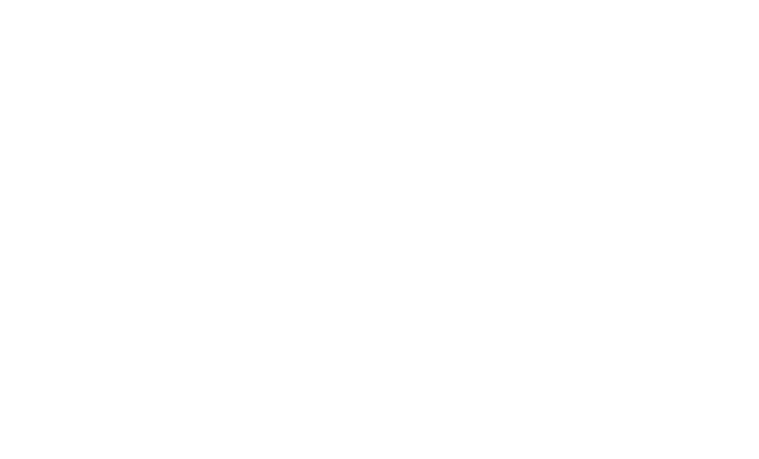
This jazz club story examines how chef-owner BJ Lieberman transformed a basement space in Columbus's Short North Arts District into a thriving jazz venue that honors the city's rich musical heritage while creating a modern experience through the innovative pairing of culinary arts and live music.
Background: From Restaurant Owner to Jazz Venue Entrepreneur
BJ Lieberman, an accomplished chef and restaurant owner, entered the Columbus dining scene by opening Chapman's Eat Market during the pandemic. While initially focused on his restaurant concept, Lieberman was introduced to a basement space that formerly housed a board game bar called Kingmakers. Though initially passing on the opportunity due to limited bandwidth, Lieberman revisited the space approximately two years later.
Lieberman explains the club's unexpected origins: "We didn't set out to open a jazz club at the time, we knew that we wanted to do a bar. And at one point it kind of dawned on me that that live music would be really cool, in the space." A conversation with his wife's cousin, a jazz musician, sparked the idea to focus specifically on jazz.
The decision to create a jazz-focused venue addressed a gap in Columbus's cultural landscape: "There are no dedicated—at least at the time. There were no dedicated jazz lounges in Columbus. So we wanted to do something for the musicians. We have a very rich jazz scene here".
Location and Atmosphere: Creating a Space for Musical Magic
Ginger Rabbit is strategically located in Columbus's Short North Arts District, which Lieberman describes as "the beating heart of the creative structure here in Columbus". The neighborhood sits between Ohio State University to the north and downtown Columbus to the south, creating what Lieberman calls "the transitional neighborhood between young hip Columbus and institutional Columbus".
The club's basement location creates a distinctive arrival experience. "Coming down the stairs is a little bit of a blind entrance to the room. We really wanted the moment where you actually see the dining room to be like, 'Oh, I didn't even know that this was here,'" explains Lieberman. This element of surprise and discovery contributes to the venue's mystique.
Inside, the space features a "beautiful, comfortable, plush little dining room" where "everything faces the stage". The intimate environment, with its thoughtful acoustics, has earned praise from musicians. "Most of the bands who play here say this is their favorite venue. And a lot of them say that we have the best acoustics, the best sound, that they just really love playing here because of that," Lieberman notes with pride.
Historical Context: Honoring Columbus's Jazz Legacy
Ginger Rabbit exists within the context of Columbus's significant jazz history. "We actually used to be one of the biggest jazz cities in America. And it's because we're situated right between Chicago and Saint Louis," Lieberman explains. The city's location made it a natural stopping point for musicians traveling between these major jazz hubs.
However, this history includes unfortunate chapters of urban development that disrupted predominantly Black neighborhoods where jazz flourished. "At a certain point, they built highways right through the middle of it, and it kind of cut off some of those neighborhoods from the rest of Columbus... through that process, we lost a lot of our jazz clubs," Lieberman acknowledges.
With this history in mind, Ginger Rabbit was established with an intentional focus on inclusivity: "When we opened, we really wanted to be cognizant of that and make sure that we're a place for the entire community, for people of all walks of life, all colors, creeds, whatever... We wanted this to be a meeting place where everyone can come together, enjoy the music, enjoy what is the history of Columbus".
Operational Excellence: The Behind-the-Scenes Choreography
Ginger Rabbit typically hosts two performances each night, requiring a rapid turnover between sets. Lieberman likens this process to "an F1 pitstop" where the team works in synchronized harmony. He describes the ballet-like precision of their system: "We have nonverbal cues where if the candles in a certain place, then we know that the table has not been wiped yet. When the water glasses go on the table, we know that it's fully reset".
Lieberman sees parallels between this operational coordination and what happens among musicians on stage: "Very similar to kitchen when we have our nonverbal cues with each other... where no one else would know what the hell is going on. But we're locked in".
The Jazz and Culinary Connection: Two Art Forms in Harmony
A fascinating aspect of Ginger Rabbit's concept is Lieberman's perspective on the connection between culinary arts and jazz. He articulates this relationship: "As a chef, we're artists in a certain way, and I think that there's always been a kinship between musicians and chefs. A little bit, very different art forms, but very kindred spirits".
This philosophical connection has inspired concrete collaborations at the venue. Lieberman developed a dinner series that pairs food with music, where chefs create menus inspired by the same themes the musicians explore. He recounts a particularly magical collaboration focused on Japanese jazz: "When you hear Japanese jazz, they're mixing together genres that no one in their right mind would ever think to put together... I was thinking the food is the exact same thing."
This series represents the culmination of Lieberman's vision for creative collaboration: "The way that the food and the music... I'm getting goosebumps right now just thinking about it, the way that we were able to tell this story".
The Turning Point: Enter TurnTable and Doc Watkins
A pivotal change in the club’s identity occurred after Lieberman’s engagement with TurnTable—the revenue platform designed specifically for jazz clubs—and conversations with Doc Watkins, a fellow jazz club owner and founder of TurnTable. Lieberman credits both the TurnTable product and Doc Watkins for helping him realize that the club needed to put music at the forefront of its mission.
"Us getting on TurnTable and me having a lot of conversations with Doc beforehand, that really led to that shift in mode for us that I talked about earlier where instead of being a bar that happened to have live music, we became a music venue that happened to have a really good bar, and he was really the one who made me see that."
Conclusion: A Venue with Personal Meaning
Perhaps most telling is Lieberman's personal connection to the space he's created. Unlike his other restaurants, Ginger Rabbit is somewhere he visits as a customer: "I don't typically go out and eat my own restaurants. I get very weird about that and feel awkward, but I'll actually come to Ginger rabbit as a patron, at least once a month, to see my favorite bands, to have a cocktail, and is just kind of my relaxing place".
This personal enjoyment of the space suggests Lieberman has created something that transcends business considerations alone—a venue with authentic cultural value and emotional resonance. By combining his culinary expertise with his love of music, Lieberman has established a unique contribution to Columbus's cultural landscape that honors the city's jazz heritage while creating new traditions and experiences.
The case of Ginger Rabbit demonstrates how entrepreneurial vision, community awareness, and cross-disciplinary collaboration can result in a venue that serves not just as a business but as a meaningful cultural institution in its city.
Contact sales to learn how your club can reach its highest potential.