In the world of event ticketing, venue owners face a critical decision: should they use a massive marketplace platform like Eventbrite, or opt for a venue-focused solution like TurnTable? While both approaches have their merits, the choice between being one venue among millions versus having a platform designed specifically for your needs can dramatically impact your business success. This comparison explores the fundamental differences between TurnTable's venue-centric approach and marketplace platforms, examining how each serves the unique needs of live entertainment venues.
The Fundamental Philosophy: Venue-First vs. Marketplace-First
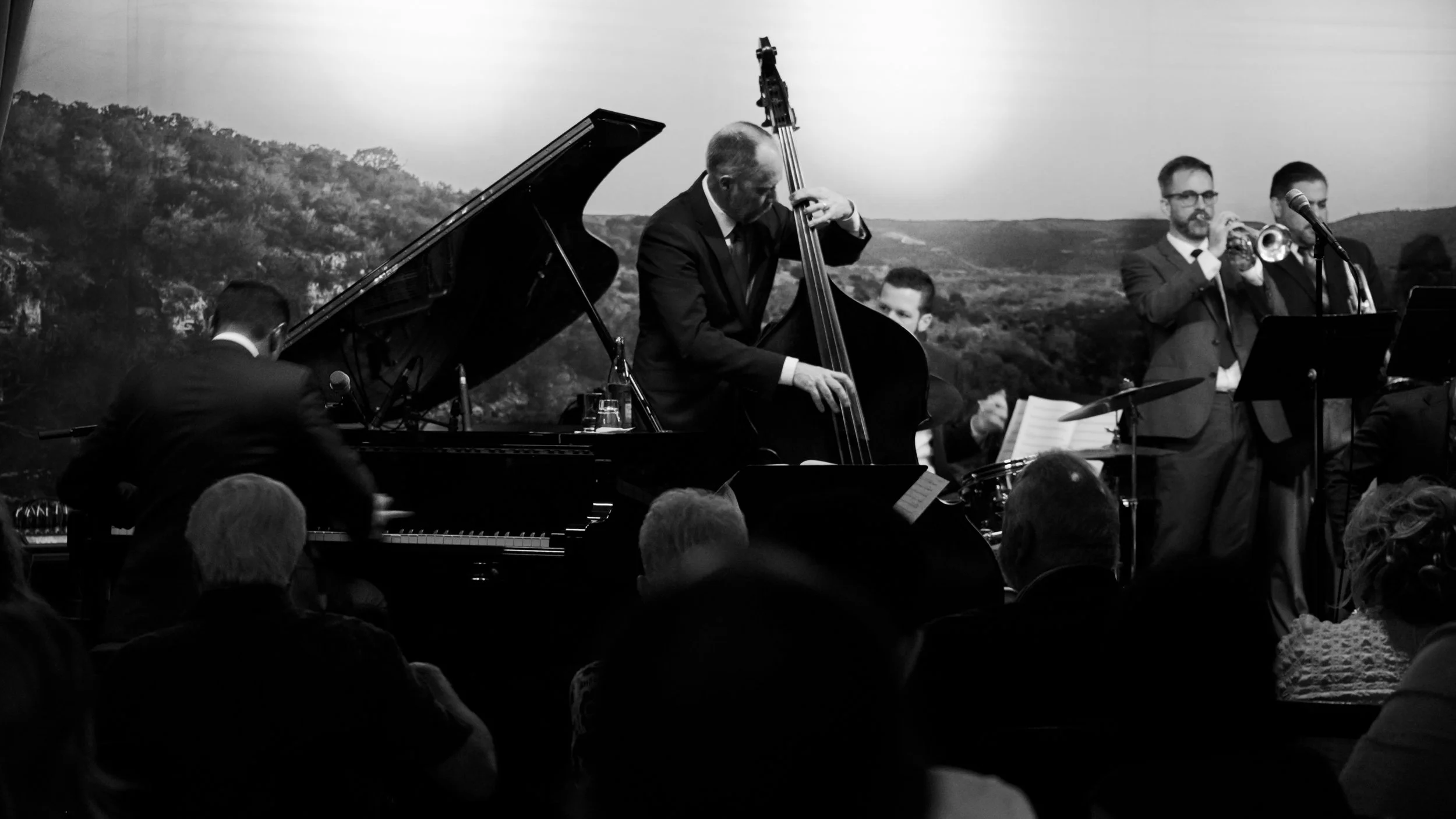
The most significant difference between TurnTable and marketplace platforms lies in their core philosophy. TurnTable operates as a venue-focused platform where each venue receives dedicated attention and specialized tools designed for their specific operational needs. The platform recognizes that venues like jazz clubs, listening rooms, and intimate performance spaces have unique requirements that differ vastly from conferences, workshops, or large-scale festivals.
In contrast, Eventbrite functions as a discovery marketplace connecting 93 million unique ticket buyers to events across all categories. While this massive reach offers undeniable benefits for event discovery, it also means that intimate venues compete for attention alongside corporate conferences, yoga classes, and mega-concerts. For a jazz club with table seating, this one-size-fits-all approach often fails to address the nuanced needs of hospitality-driven venues.
The venue-first philosophy of TurnTable manifests in specialized features that acknowledge the reality of how intimate venues operate. These establishments aren't just selling tickets to events; they're managing table reservations, coordinating food and beverage service, and creating curated experiences that extend far beyond the performance itself.
Specialized Venue Management Tools
TurnTable's Performance Tools represent a comprehensive suite designed specifically for venue operations. These tools enable venue managers to edit table configurations, adjust show schedules, set dynamic pricing, and manage reservations with the granular control that intimate venues require. The platform's floor plan management system allows venues to modify table arrangements, adjust guest counts per table, and implement sophisticated pricing tiers that reflect the varying value of different seating locations.
The bulk editing capabilities demonstrate TurnTable's understanding of operational efficiency needs. Venue managers can select multiple tables simultaneously and modify pricing, dimensions, or status across all selected tables, dramatically reducing the time required for show-by-show management. This level of operational control is essential for venues that may host multiple performances per week, each requiring different seating configurations or pricing strategies.
Box Office functionality provides another layer of venue-specific utility, enabling in-person payment processing through integrated card readers. This feature acknowledges that many intimate venues still rely heavily on walk-in customers and last-minute reservations, requiring seamless integration between online and offline sales channels. The ability to create pay-later reservations, apply discounts for terminal payments, and manage guest counts for walk-ins reflects an understanding of real-world venue operations that marketplace platforms often overlook.
Table-Based Seating and Hospitality Integration
Perhaps nowhere is the difference between venue-focused and marketplace platforms more apparent than in seating management. TurnTable's system is built around table-based seating, recognizing that many intimate venues operate more like restaurants than traditional concert halls. Venues can set guest counts per table, modify table names and labels, and integrate pricing with the hospitality experience rather than treating tickets as isolated transactions.
The platform's residency tools further demonstrate this venue-centric approach, allowing venues to organize and showcase multiple shows on a single page while managing artist information and financial details. This feature is particularly valuable for jazz clubs and similar venues that often host weekly residencies or recurring performer showcases, creating ongoing relationships with both artists and audiences.
Mailchimp integration provides venues with sophisticated marketing automation capabilities specifically designed for building long-term customer relationships. Rather than relying solely on the discovery mechanisms of a marketplace, venues can develop direct relationships with their audiences, sending targeted campaigns based on customer preferences and attendance history.
Pricing Structure and Revenue Models
The pricing structures of TurnTable and marketplace platforms reflect their different priorities and target markets. TurnTable charges a flat fee per ticket sold, plus standard Stripe processing fees of 2.9% + 30¢ per transaction. Venues also have the option to implement their own processing fees, providing additional revenue opportunities and cost recovery flexibility.
Eventbrite's pricing varies significantly by region, with US venues paying 3.7% + $1.79 per ticket plus 2.9% payment processing fees per order. While this percentage-based model may seem more affordable for lower-priced tickets, the costs can escalate quickly for premium experiences. More importantly, Eventbrite's recent introduction of additional fees for events with more than 25 tickets creates unexpected cost variables that can impact venue profitability.
The transparency of TurnTable's pricing structure aligns with the needs of venues that require predictable cost structures for financial planning. Knowing exactly what each ticket will cost in fees allows venues to price their experiences appropriately and maintain healthy profit margins without surprises.
Marketing and Discovery: Quality vs. Quantity
Eventbrite's primary value proposition centers on its massive marketplace reach, offering access to 93 million unique ticket buyers and twice the consumer reach of its closest competitor. The platform provides sophisticated marketing tools including Facebook and Instagram advertising integration, email campaigns powered by event data, and prominent placement in search results and discovery feeds.
However, this broad reach comes with significant drawbacks for intimate venues. In a marketplace containing millions of events, individual venues struggle to maintain visibility without significant marketing investment. The platform's algorithm-driven discovery system may not effectively surface intimate venue experiences to audiences seeking curated, hospitality-focused entertainment.
TurnTable takes a different approach, focusing on empowering venues to build direct relationships with their audiences rather than relying primarily on marketplace discovery. The platform's integration with email marketing tools and customer relationship management features enables venues to develop sophisticated audience engagement strategies that don't depend on competing for attention in a crowded marketplace.
This approach proves particularly valuable for venues that rely on creating community and fostering repeat attendance. Jazz clubs, listening rooms, and similar intimate venues often succeed by becoming cultural gathering places rather than simply event destinations, requiring marketing strategies that emphasize relationship-building over one-time ticket sales.
Customer Experience and Brand Control
The customer experience differs dramatically between venue-focused and marketplace platforms, particularly regarding brand control and customer relationship ownership. When venues use TurnTable, customers interact directly with the venue's branded experience throughout the entire ticket purchasing process. This seamless brand integration helps reinforce the venue's identity and creates stronger customer loyalty.
Marketplace platforms necessarily prioritize their own brand experience, with individual venues appearing as vendors within the larger ecosystem. While this provides access to the platform's customer base, it also means that venues have limited control over the customer journey and may struggle to differentiate themselves from other event options.
The venue-specific websites enabled by TurnTable, such as those showcased by Scat Jazz Lounge, Parker Jazz Club, and Monks Jazz Club, demonstrate how venues can maintain complete brand control while accessing sophisticated ticketing functionality. These dedicated venue sites create destinations that customers can bookmark and return to, fostering the kind of ongoing relationship that drives long-term business success.
Conclusion
The choice between TurnTable and marketplace platforms ultimately reflects a venue's priorities and business model. Venues that prioritize operational control, brand ownership, and direct customer relationships will find TurnTable's venue-focused approach more aligned with their needs. The platform's specialized tools for table management, hospitality integration, and customer relationship building address the specific challenges faced by intimate venues in ways that general-purpose marketplace platforms cannot match.
While marketplace platforms offer undeniable benefits in terms of reach and discovery, venues must weigh these advantages against the loss of control, brand dilution, and operational limitations that come with marketplace participation. For intimate venues that succeed by creating curated experiences and fostering community, TurnTable's venue-first approach provides the tools and flexibility necessary to build sustainable, profitable businesses while maintaining the authentic character that makes these spaces special.
The future of venue ticketing likely lies not in choosing between broad reach and specialized functionality, but in platforms that can provide both. However, as the live entertainment industry continues to evolve, venues that prioritize direct customer relationships and operational excellence will find that specialized, venue-focused platforms like TurnTable offer the best foundation for long-term success.
Reach out to learn more about the revenue platform that puts you first.